How to Calculate Calories in Your Food and Your Recipe. The Calculator Can Stay in the Drawer.
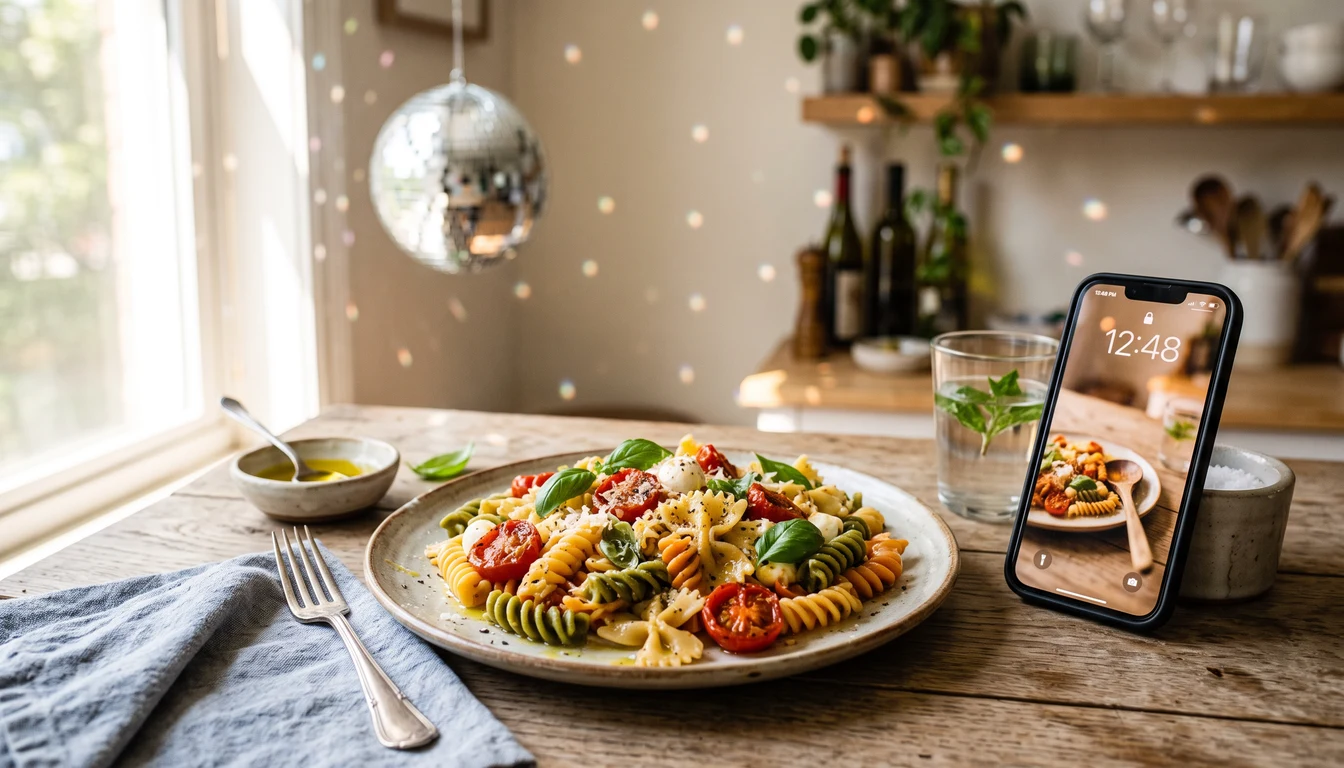
How to Calculate Calories in Your Food and Your Recipe. The Calculator Can Stay in the Drawer.
You cooked. It smells great. And then comes the question that follows every good meal:
“How many calories is this, actually?”
There are three ways to get the answer. One of them involves a piece of paper with a lot of handwriting.
Way 1: Calculate it yourself. For people with patience.
The principle is simple:
1. Weigh every ingredient.
2. Look up the value per 100 grams.
3. Add it all up.
4. Divide by the number of portions.
Once you’ve done it, you know: it works. And it takes a while. With a twelve-ingredient recipe, the evening is over before the food gets cold.
The trap almost everyone falls into: raw or cooked?
Raw pasta has about 346 kilocalories per 100 grams according to the German food code (BLS). Cooked pasta has about 146.
Same pasta. Same pot. More than twice the calories on paper.
The difference is water. Cooking makes pasta heavier, not richer in calories.
The rule of thumb: weigh it the way you look it up. Weighed raw, use the raw value. Weighed cooked, use the cooked value.
That goes for rice, oats, lentils and everything else that swells when cooked.
Way 2: Import a recipe from a link
If the recipe is already online, you don’t have to type it out.
In Foodisco you paste the link. It works with YouTube, TikTok, Instagram and many recipe blogs. The app reads the ingredients and steps and works out the nutrition per serving from them.
One thing to know: a video without a description has no text to read. In that case a screenshot scan helps, or you enter it by hand. And recipe import is a Pro and Family feature.
What that looks like day to day is in Screenshot saved. Recipe lost. Welcome to the internet.
Way 3: Photograph your plate
For everything without a recipe. The canteen lunch. Whatever you put together from the fridge.
AI Scan recognises what’s on the plate, estimates the amounts and matches the foods against databases. The calories come from the database values, not from an AI’s gut feeling.
The result is a suggestion, not a verdict. You see the recognised foods with their grams and can adjust both. Ingredients that weren’t on the plate, you switch off.
There are limits: you can’t see the oil or butter in the pan. Or what’s under the sauce. A quick look at the amounts is worth it there.
And what about 100 grams versus a portion?
On packaging and in tables, values almost always apply per 100 grams. Your plate rarely holds exactly 100 grams.
Per 100 grams, almonds are a lot. Per handful, much less. Per 100 grams, cucumber is almost nothing.
If you want to look things up, the Foodisco blog has hundreds of foods with calories, nutrition and Health Score. The values come from the German food code (BLS 4.0).
What to take home from the party
Three ways, one goal:
Calculate it yourself if you like it exact. Import a recipe if it’s already online. Take a photo if you just want it quick.
And for all of them: values are averages. They’re plenty to keep an overview in everyday life. Dinner isn’t meant to be a lab result.
This article is general information, not medical advice.
And if the calculator would rather take a break: Foodisco does the maths with you. 🪩