One Plate. Two Forks. And Your Tracker Thinks You Ate the Whole Thing.
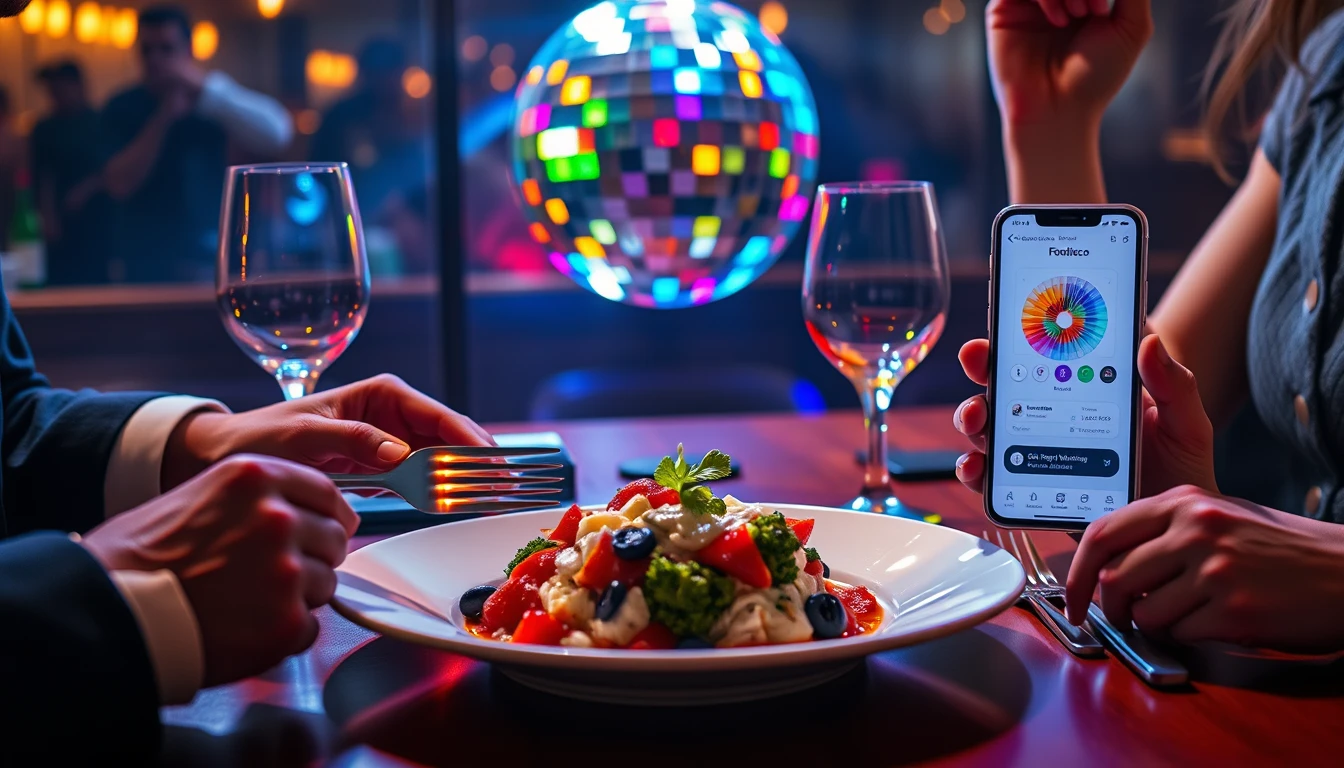
One Plate. Two Forks. And Your Tracker Thinks You Ate the Whole Thing.
“Should we share a starter?”
Of course.
Then the main course arrives.
“We could actually share this too.”
Of course.
Dessert?
“Just one for both of us.”
Naturally.
Three dishes later, you have eaten really well, shared almost everything, and ordered exactly zero classic single portions.
Romantic for you. Confusing for a lot of trackers.
The table already knows you’re sharing
In a restaurant, the situation is pretty obvious.
A burrata sits in the middle.
Two forks go in.
A main course lands on the table.
Both of you eat from it.
Dessert arrives with two spoons, and nobody seriously asks who owns exactly which half of the cream.
One plate. Two people. Done.
Digitally, though, this suddenly turns into science.
A lot of nutrition trackers like to live in a very tidy world:
One person.
One portion.
One entry.
Restaurant nights never signed that contract.
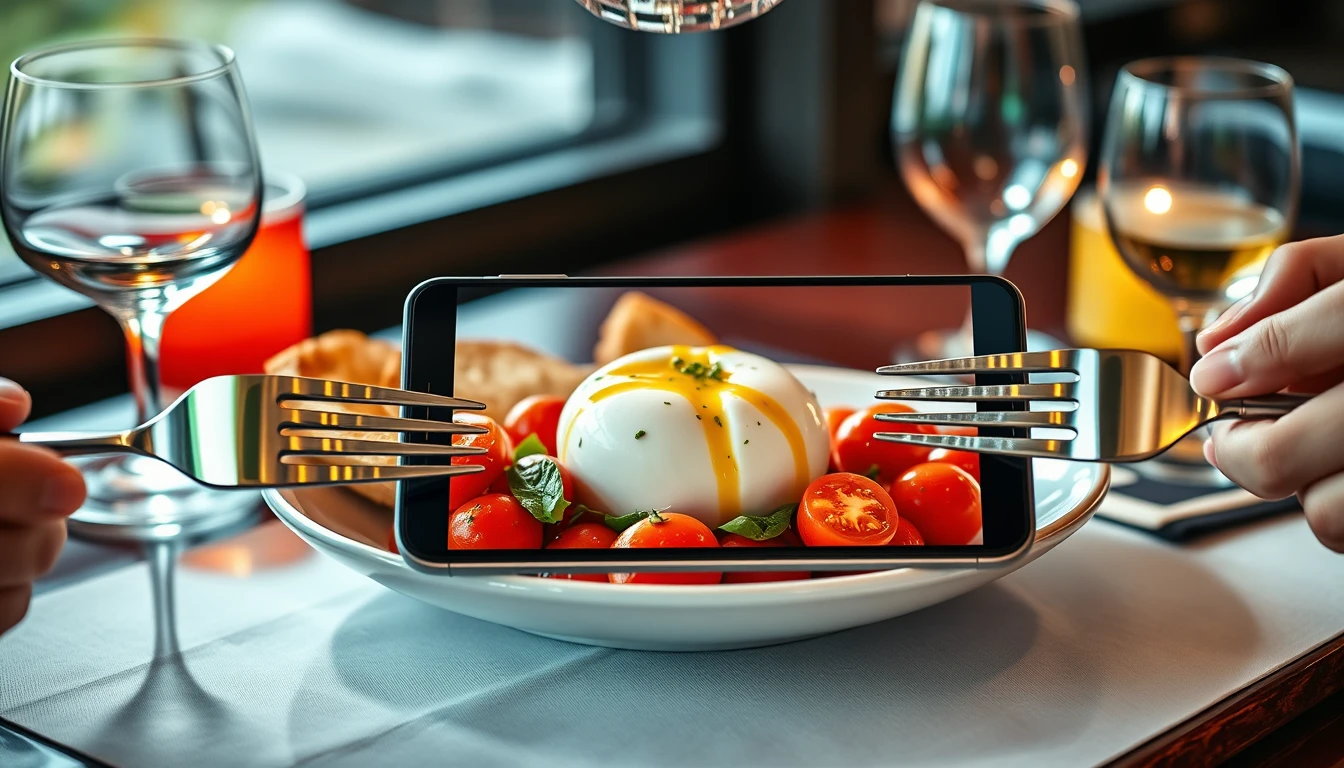
The scan sees the burrata. It doesn’t see that it’s doing relationship work.
This is where AI Scan comes in.
You photograph the dish.
Foodisco recognizes what is on the plate, estimates the nutrition, and shows you the result so you can review it.
Very useful.
But a photo has one small problem:
It does not know your relationship.
It did not hear you say:
“We’ll have this together.”
To the camera, a burrata is just a burrata.
Whether it is sitting there just for you or diplomatically placed between two people is not something a photo can reliably know.
AI recognizes food. You still need to tell it the rest of the story.
That’s exactly what “shared” is for
And this is where a nice AI Scan turns into something that actually makes sense in real life.
You scan the dish.
Foodisco recognizes it.
Then you can tell Foodisco that you shared the meal.
No calculator.
No mental gymnastics.
No “Wait, if we split the starter and then shared the main course too, how much of that was actually mine?”
One plate. Two people. The algorithm just needs a little context.
That’s it.
Starters are team players anyway
Take the classic restaurant burrata.
Tomatoes.
Bread.
Olive oil.
Maybe something else on the menu described as “signature,” which probably means expensive.
You order it together.
It lands in the middle.
You take a photo.
Foodisco analyzes the dish.
So far, everything is going exactly as planned.
Now there is only one piece of information missing that no plate can reveal on its own:
The burrata belongs to both of you.
And that is the point.
The scan should not pretend that every meal on earth automatically has one single owner.
Some plates are shared property.
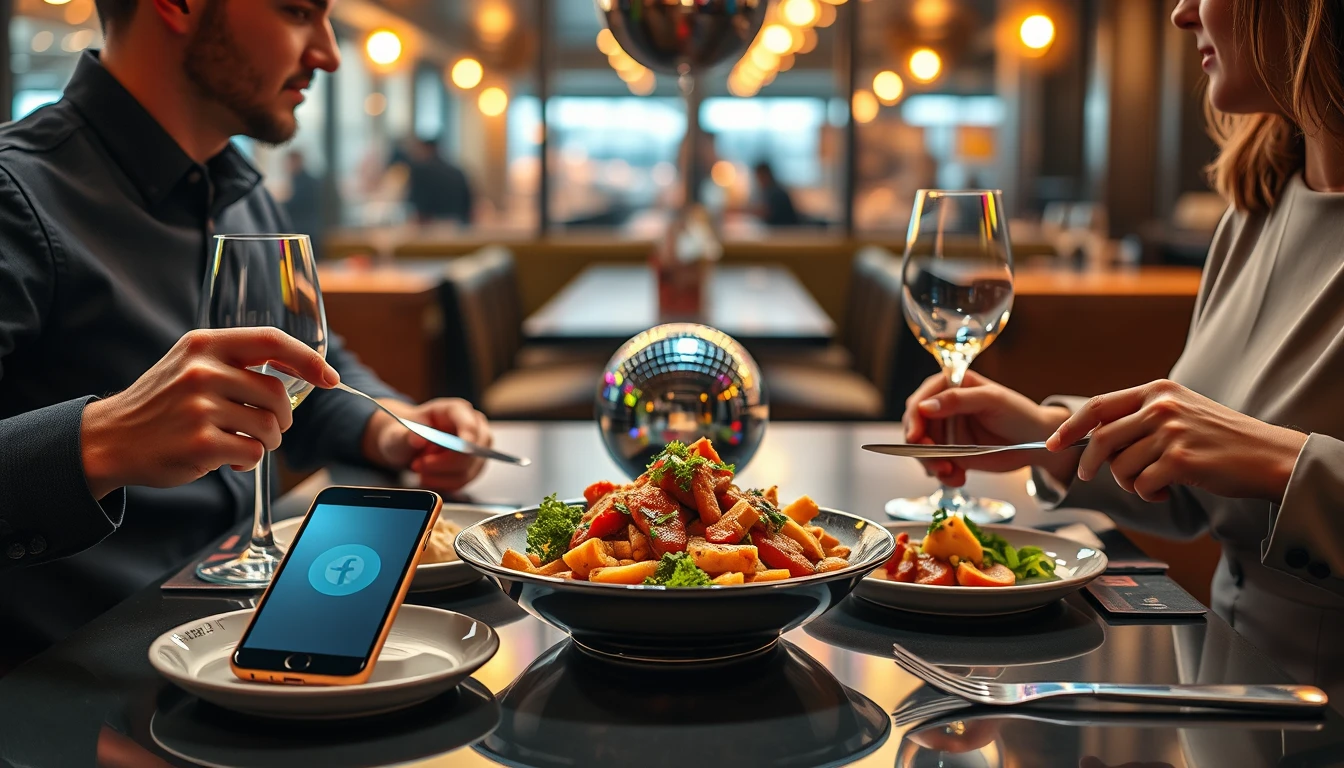
A main course can be in a relationship too
Sharing a starter is normal.
But why stop there?
Maybe you order a large pizza.
Or pasta.
Or curry.
Or exactly the dish both of you wanted.
Once again, there is one plate in the middle and two people eating from it.
For you: simple.
For classic tracking:
Alert. Portion logic damaged.
Then the fun begins:
Do I log the whole portion?
Do I search for half a restaurant portion?
Do I calculate it myself?
Am I really doing math between the main course and dessert?
No.
Please don’t.
Candlelight dinner with a calculator has never been especially charming.
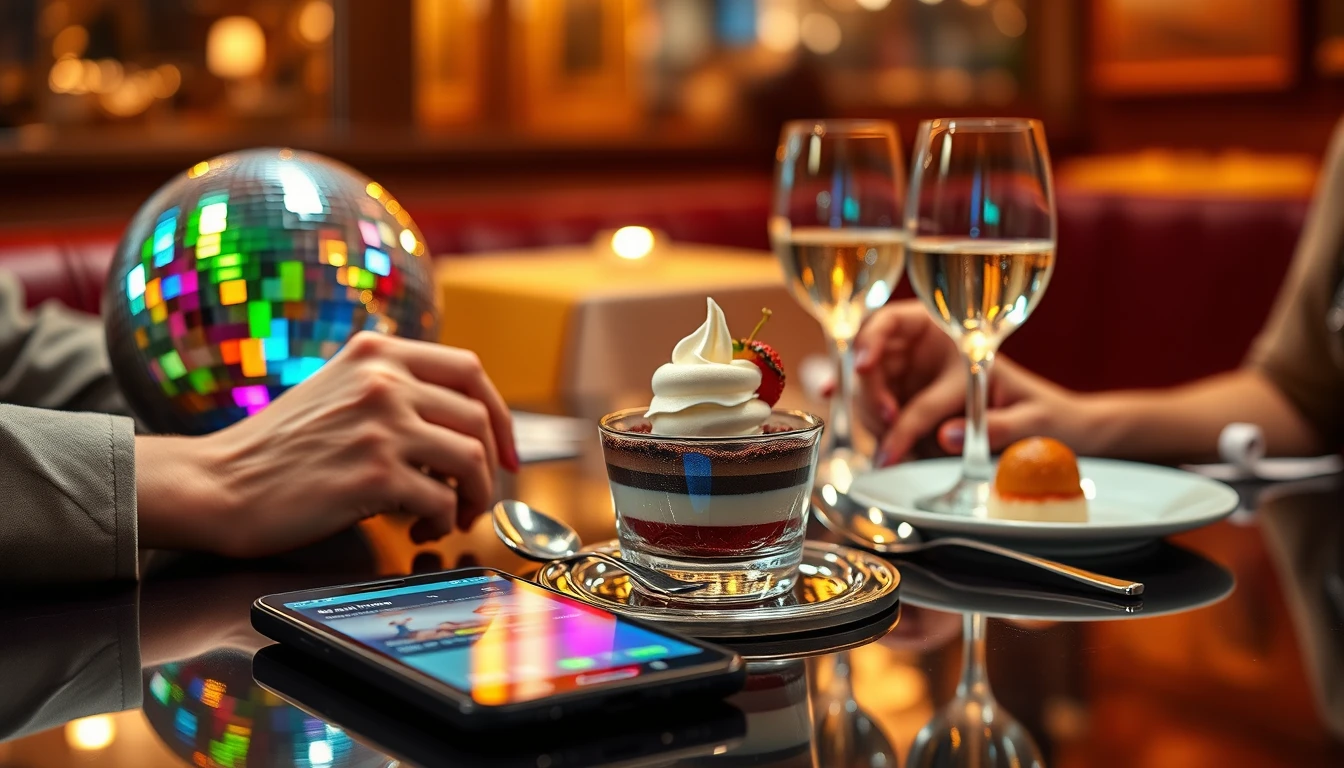
Dessert is the most honest form of sharing anyway
Then dessert arrives.
“We’ll just have one.”
Two spoons.
One portion.
Two very convinced people who claimed five minutes earlier that they were already full.
It might be the cleanest use case of all.
Because nobody at the table is thinking:
“Perfect. Now each of us should log one full dessert.”
Only a tracker with no context would come up with that idea.
Romance is sharing dessert. Good tracking is when the app understands that too.
Tracking should stop pretending every meal comes in Tupperware
That is really the bigger point.
Food does not always arrive neatly portioned.
It is not always weighed.
It is not always eaten alone.
It does not always show up in a format that fits perfectly into a database.
People share.
People order together.
People put dishes in the middle.
People do things that nutrition trackers sometimes find surprisingly human.
That is why tracking should adapt to your food.
Not the other way around.
The app is a guest at the table. Not the host.
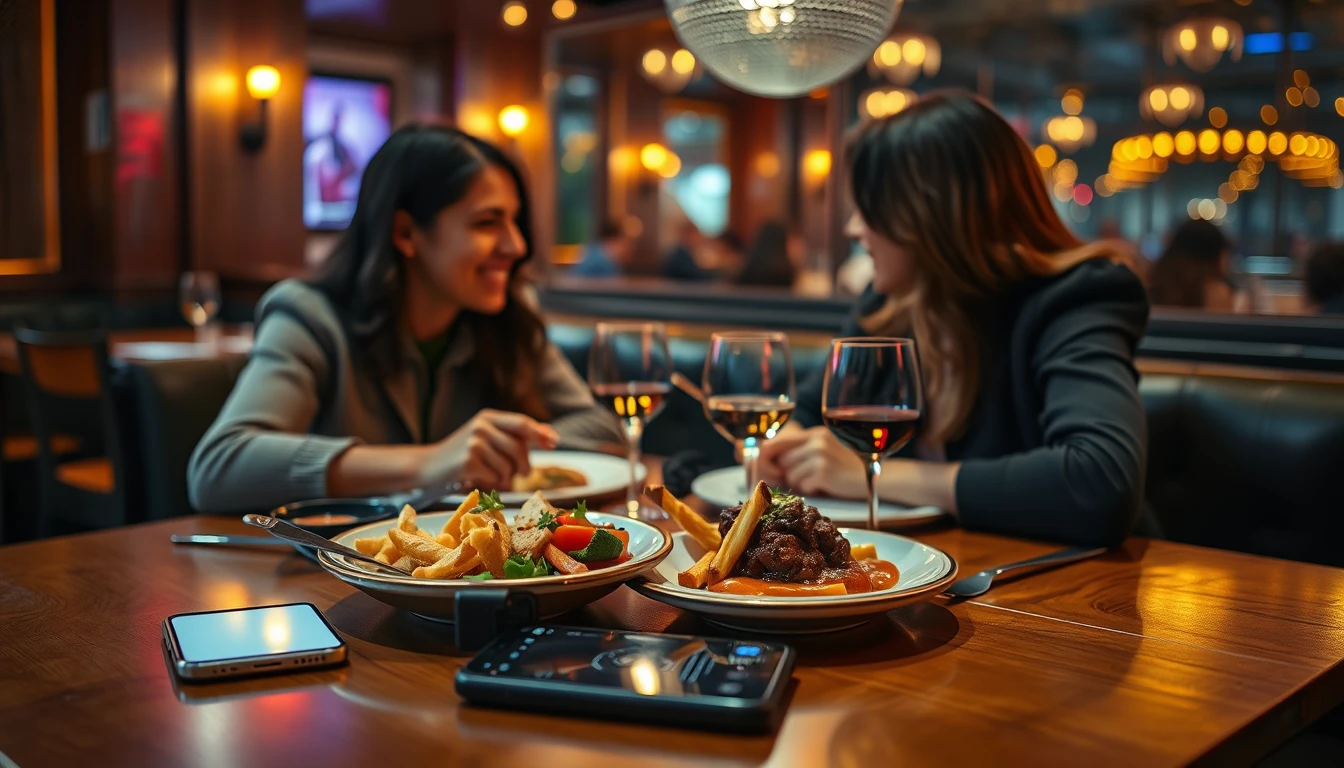
AI Scan should make work disappear
The real magic of AI tracking is not that there is “AI” somewhere in the feature name.
It is that things get faster.
Take a photo.
Let it recognize the meal.
Quickly review it.
Add context.
Done.
If you still have to calculate portions, search databases, and deconstruct restaurant meals afterwards, the whole thing kind of missed the point.
Foodisco should remove that friction.
Not invent a new version of it.
Less bookkeeping. More dinner.
That is the direction.
Roughly right is still better than impressively wrong
Of course, restaurant tracking is still an estimate.
Foodisco does not know exactly how much oil the kitchen used.
It does not know every recipe.
And hopefully nobody is chasing the chef around with a kitchen scale.
It does not need to.
The point is not to turn restaurant food into lab work.
The point is to get a useful approximation.
And once the portion context is right, that approximation becomes much more meaningful.
A rough number with the right context beats a perfect number for the wrong portion.
Every time.
“Shared” is a small word with a surprisingly big effect
That is the interesting thing about features like this.
On paper, they look small.
One button.
One option.
One extra piece of context.
But these little things often decide whether an app feels genuinely helpful or like more work.
“Shared” tells Foodisco:
This plate was not just mine.
That is all the app really needs in that moment.
And you do not need to give a speech.
No percentages.
No napkin calculations.
Just tell it what everyone at the table already knew.
Photo. Shared. Phone away.
Restaurant tracking should probably look exactly like this.
The food arrives.
Take a photo.
Foodisco analyzes it.
Quickly review.
Mark it as shared.
Save.
Phone away.
Keep talking.
Keep eating.
Maybe dessert.
Technology has done its job when it is allowed to disappear again afterwards.
The person sitting opposite you is more interesting than your food diary.
Hopefully.
What to take home from the party
Not every meal belongs to one person.
A starter can be for two.
A main course can too.
Dessert definitely can.
And if your tracker can only think in full single portions, the problem is not that your restaurant night does not fit the app.
The app does not fit the restaurant night.
With Foodisco AI Scan, you can photograph the dish, have it analyzed, and then tell Foodisco that you shared it.
One plate. Two forks. A little bit of context.
Sometimes that is all it takes.
Take the photo.
Mark it as shared.
Put the phone away.
The rest of the evening belongs to you again.
With Foodisco, you can scan restaurant meals with AI and account for it when a dish was shared. Now on the App Store and Google Play.