You’re Hungry. Your Brain Has Clocked Out.

You’re Hungry. Your Brain Has Clocked Out.
6:37 PM. You’re hungry. The fridge is not empty. The pantry is not empty either. Technically, everything is there.
Your brain, however, has clocked out.
And then comes that one question:
“What are we eating tonight?”
A surprisingly small question for a surprisingly large amount of internal eye-rolling.
The fridge is full. Your brain isn’t.
The problem is often not that there is nothing to eat. Quite the opposite: there are too many options.
Pasta. Rice. Vegetables. Eggs. Cheese. Maybe something in the freezer. Somewhere there is also an avocado that is either perfectly ripe or already scientifically interesting.
In theory, you could cook ten different meals.
In practice, you stare into the fridge for five minutes, close the door, then open it again as if it might have come up with a suggestion.
It usually hasn’t.
Too many options can feel surprisingly similar to having no options at all.
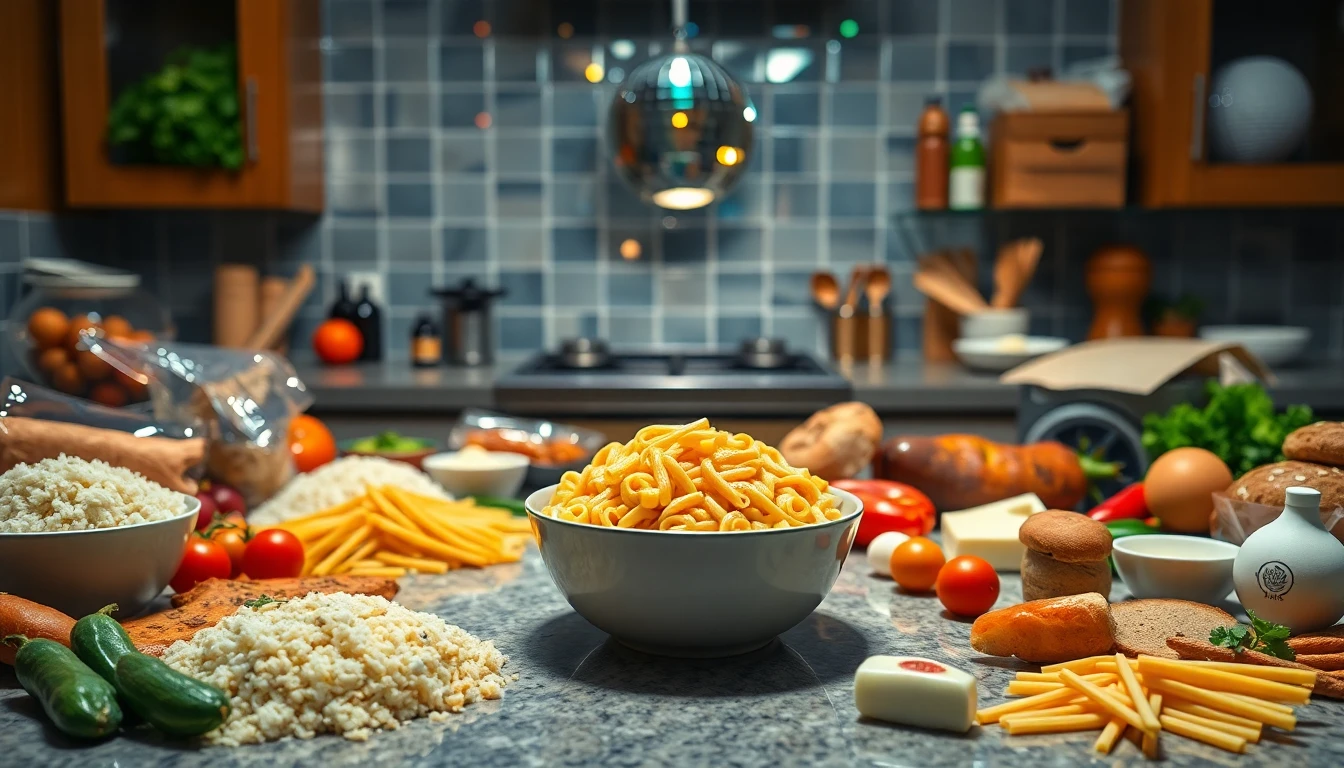
84 options. And somehow, pasta again.
People like choice.
Until they have to choose.
All day long, we make small decisions. What do I do first? Which message do I answer? What do I wear? Do I take another meeting? Shop now? Work out? Pick up the kids? At some point, the battery for more decisions just gets pretty low.
And then, at 6:37 PM, you are suddenly expected to become creative.
“What could we cook tonight?”
No idea.
Pasta?
Pasta.
That is not automatically a bad thing. Pasta has done nothing wrong.
But if you want to eat more variety, get more vegetables in, or work toward certain nutrition goals, spontaneous planning at the end of the day can easily turn into the same remix on repeat.
Meal planning sounds like Excel. It doesn’t have to.
When people hear “weekly meal plan,” they often imagine seven perfectly scheduled days.
Monday, 6:15 PM: curry. Tuesday, 6:10 PM: bowl. Wednesday: exactly 137 grams of rice.
Please don’t.
A good plan does not need to tell you what to eat at exactly 6 PM. It just needs to remove a few decisions.
Maybe you only plan four dinners.
Maybe you intentionally leave two days open.
Maybe all you know is: Monday pasta, Tuesday something with rice, Thursday recipe X.
That is often enough.
A plan is not a prison. It is more like the guest list. Who actually shows up can still change.

The best decision at 7 PM is often the one you already made earlier
The biggest benefit of meal planning is not that you suddenly look more organized.
It is that you move the decision to a moment when your brain is still participating.
Thinking about what you might eat this week on Sunday afternoon?
Manageable.
Trying to come up with something on Tuesday evening while hungry, tired, and surrounded by three other people who all want different things?
Welcome to boss level.
When there is already a rough plan, you do not have to start from zero every evening.
You are no longer deciding:
“What could we possibly eat?”
You are only deciding:
“Do we make what we planned, or do we swap it?”
That is a much smaller decision.
Planning does not just save time. It saves discussions.
Especially with several people, the question “What are we eating?” can quickly become group work without a project manager.
“I don’t mind.”
“Me neither.”
“Pizza?”
“No.”
“Pasta?”
“We had that yesterday.”
“Then you suggest something.”
“I already told you, I don’t mind.”
Excellent.
A rough weekly plan can reduce those discussions quite a bit because the list of options is already smaller.
And smaller can be very nice.
Instead of 84 possibilities, there might be three.
Suddenly, “curry or pasta?” feels almost luxuriously simple.
You do not need a perfect week
This part matters.
Planning only works long term if it can survive real life.
Someone gets home late.
A meeting runs over.
The kids eat somewhere else.
You suddenly have absolutely no desire to eat the meal you planned.
Then the plan changes.
No drama.
A good weekly plan is not a contract with your past self.
It is a favor for your future self.
If Tuesday does not work, move the meal to Wednesday. If Wednesday turns into pizza, then Wednesday turns into pizza.
The week is not ruined. It just picked up a different beat.
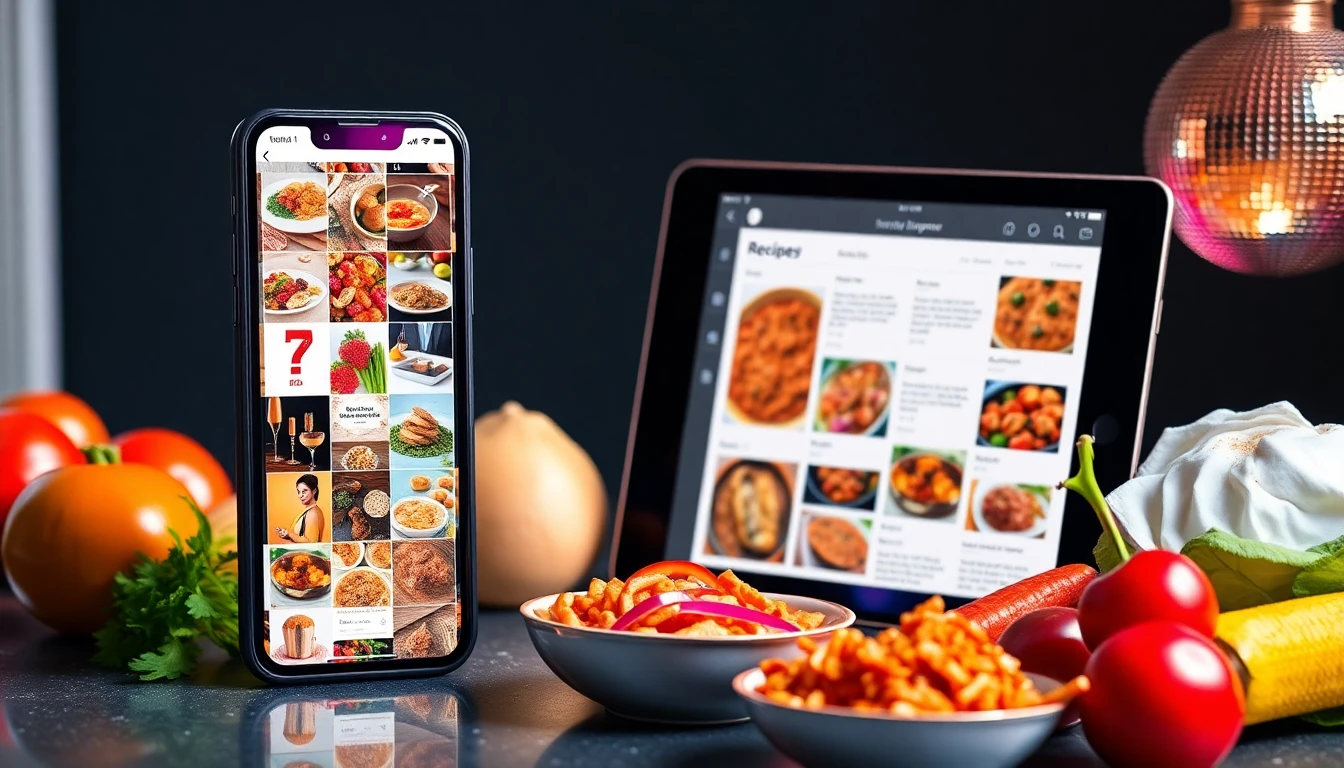
Saved recipes only help if they show up at the right moment
A lot of us now own an impressive amount of recipe inspiration.
Saved Reels. Screenshots. Pinterest. Websites. Notes. Maybe even actual cookbooks.
And then Tuesday evening arrives.
“What could we cook?”
No idea.
The problem is not necessarily a lack of inspiration.
It is the distance between inspiration and an actual dinner.
That is why a recipe becomes much more useful when it does not just live somewhere in a saved folder, but can become part of your plan.
A recipe for Thursday.
The ingredients on the shopping list.
And suddenly that video you saved three weeks ago actually has a chance of making it onto a plate.
Foodisco should reduce decisions. Not make decisions for you.
With Foodisco, you can build a weekly plan, schedule recipes, and turn that plan into the shopping you need.
The point is not to prescribe a perfect week.
It is to make the question “What are we eating tonight?” something you have to answer from scratch a little less often.
You can move meals, change days, and adjust things spontaneously.
Because a plan that only works as long as nobody lives an actual life is not a very good plan.
Structure, yes. Nutrition military, no.
And sometimes you just need a suggestion
There are days when you do not even feel like choosing between three options.
That is when it would be nice if someone simply said:
“How about this?”
That is where a digital coach or smart planning can help.
Not like a kitchen commander giving orders.
More like the friend who finally makes a decision after everyone else has spent ten minutes saying, “I don’t care.”
One suggestion.
You say yes or no.
Done.
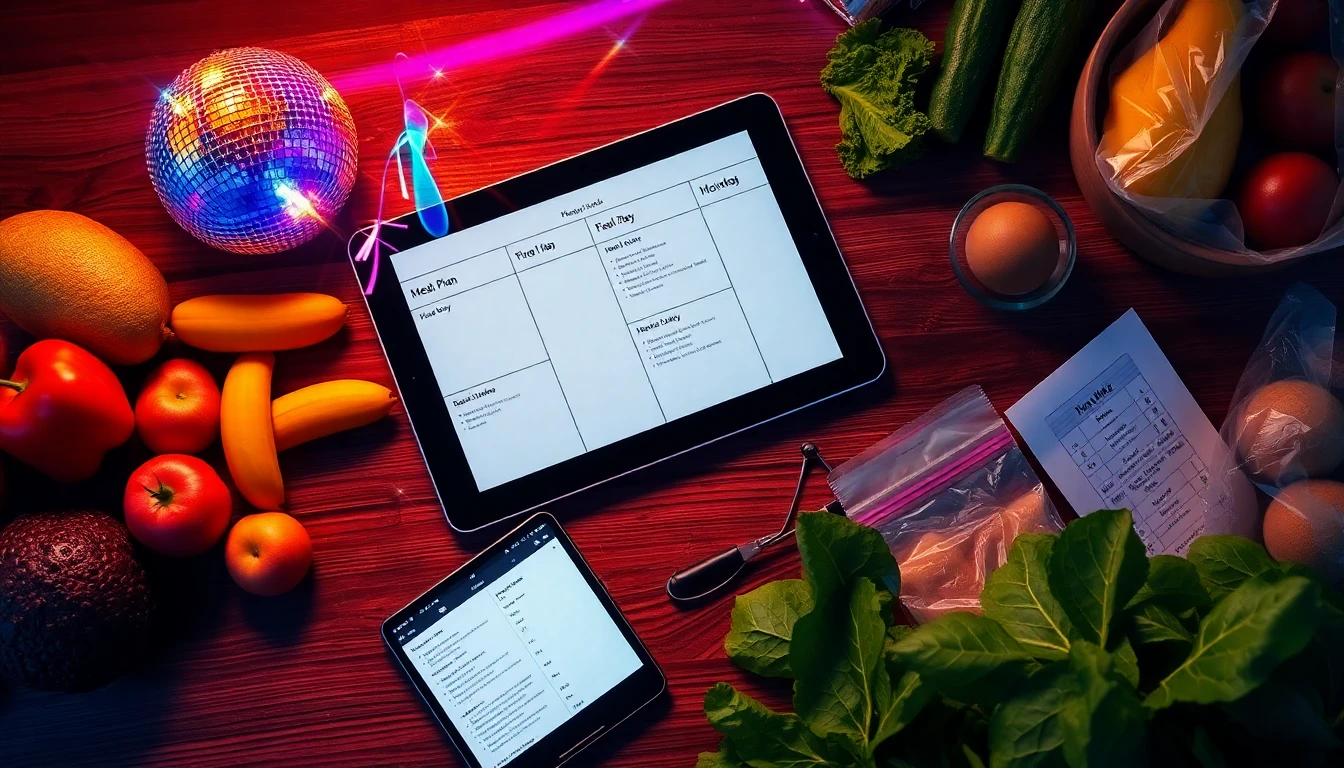
The weekly plan and the shopping list should talk to each other
Another classic version of evening stress:
You actually know what you want to cook.
And then exactly one ingredient is missing.
Of course, not salt.
Something essential.
Coconut milk for the curry. Parmesan for the pasta. Rice for the rice dish.
That is why planning only becomes truly useful when it does not stop at the meal itself.
With Foodisco, a shopping list can be created from your weekly plan. So “This is what we could eat this week” becomes “This is what we need to buy for it.”
Not spectacular.
But these are exactly the unspectacular things that save a surprising number of Tuesday evenings.
Fewer decisions does not mean less freedom
At first, that sounds contradictory.
But when you do not have to reinvent dinner every evening, you often end up with more freedom.
You can swap things intentionally.
You can decide to eat out.
You can say: “Not the planned curry tonight. Pizza.”
Because you know the rest of the week is not complete improvisation.
Planning does not necessarily take spontaneity away.
It can create room for it.
A little structure in the background often makes improvisation in the foreground much more relaxed.
What to take home from the party
The question “What are we eating tonight?” will probably never disappear completely.
And it does not need to.
But it also does not need to show up every evening like an unannounced exam.
A rough weekly plan can move decisions earlier. A few planned meals can take pressure off your brain. Saved recipes can finally get a place to go. And if the shopping list joins in, planning can actually become part of everyday life.
Not perfect.
Not rigid.
Just a little less chaos.
You’re hungry. Your brain has clocked out. Good thing the plan is still awake.
With Foodisco, you can bring weekly planning, recipes, and grocery shopping together in one place. Now on the App Store and Google Play.