Why Small Routines Matter More Than Radical Changes

Why Small Routines Matter More Than Radical Changes
When people want to change something about their nutrition, they often start with big intentions. From tomorrow on, everything will be different. Eating healthier, planning better, being more consistent, cutting out snacks, cooking more, making fewer exceptions. Decisions like that often feel motivating at first.
The problem is that radical changes rarely last in everyday life. Not because people do not want them badly enough, but because real life rarely works perfectly around them. That is exactly why small routines often make a much bigger difference in the long run.
Why big changes feel so appealing
Big intentions feel powerful. They create the sense that you are finally making a real change and drawing a clear line. Especially when frustration has built up or you feel like you really need to do things differently, a radical reset can seem very convincing.
Big changes also look more decisive from the outside. They create the impression that now you are finally doing everything right. That is exactly what makes them so attractive.
But everyday life quickly shows that strong motivation at the beginning does not automatically mean something will actually last.
Why radical changes often fail
The bigger the change, the higher the barrier usually becomes in everyday life. If everything is suddenly supposed to be different, that takes more than motivation. It takes daily decisions, energy, structure, and discipline every single day.
That is exactly where things often break down. One stressful day, a lack of time, spontaneous plans, or old habits can be enough to make the whole system unstable. And because radical approaches are often tied to the expectation that everything has to be followed consistently, even a small slip can quickly feel like failure.
That is how all-or-nothing thinking starts: if it did not work today, then it does not matter anymore. That is exactly what makes radical changes so fragile.
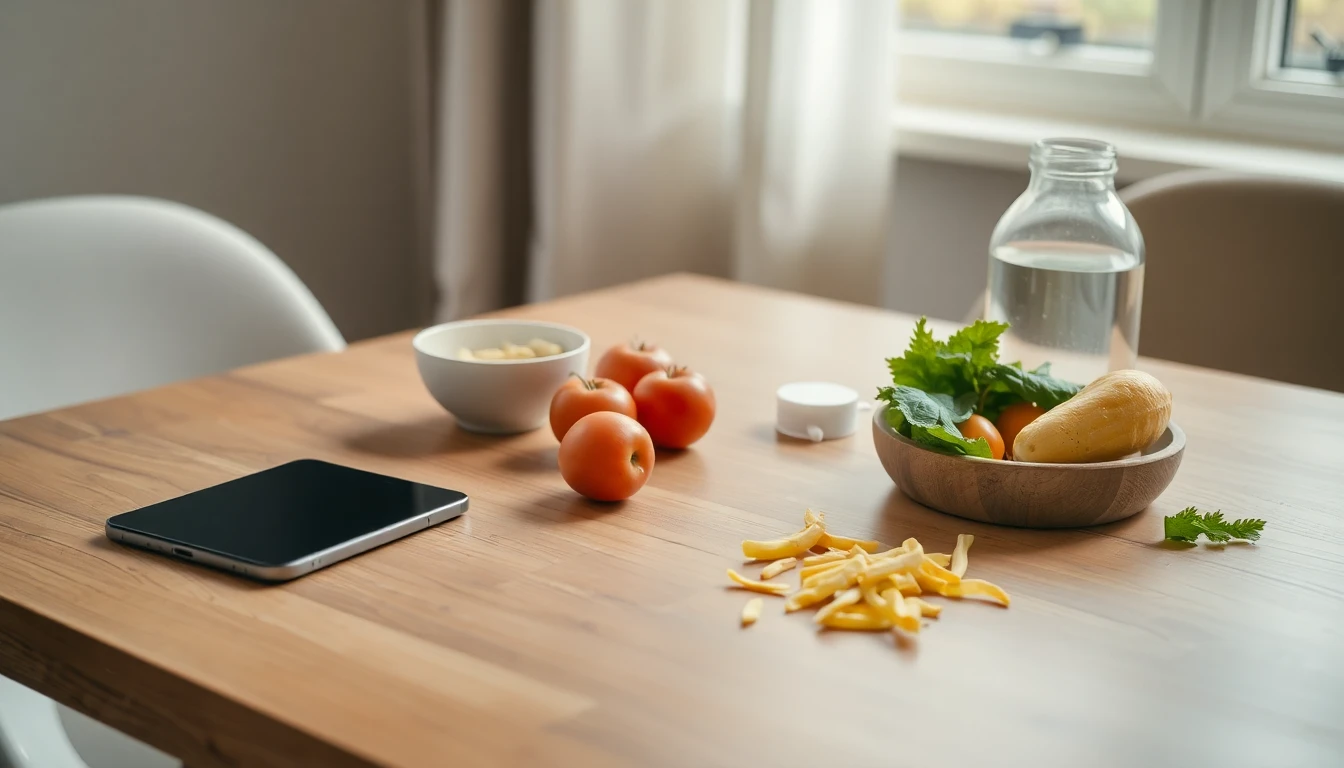
Why small routines are often stronger in everyday life
Small routines do not look dramatic. And that is exactly why they work so well. They do not overwhelm you, they are easier to repeat, and they fit better into a real life where not every day looks the same.
A small routine might be something like:
- eating a reliable breakfast in the morning
- having two or three simple meals ready to fall back on
- planning meals a little earlier
- choosing the same easy options more regularly
- making food decisions a little easier overall
These steps may look smaller than a major reset. But they have one crucial advantage: they are manageable. And what feels manageable is much more likely to become a habit.
Repetition matters more than perfection
Healthy eating is rarely built through a few perfect days. What matters much more is what you repeat. That is exactly why small routines often matter more than big but short-lived changes.
If something is simple enough that you can do it regularly, it creates stability over time. Then you no longer have to rely on being highly motivated all the time. Part of the behavior gradually becomes more natural.
That does not just reduce mental pressure. It also makes healthy eating much more stable on stressful days. A small routine is much easier to return to than a radical plan that only seems to work when everything goes perfectly.
Why less pressure often works better
Many people believe that change only works if it is big and strict enough. In reality, pressure usually only helps in the short term. In the long run, what works better is a system that feels realistic and does not overwhelm you every day.
Small routines take away exactly that pressure. They allow progress without immediately demanding perfection. And that is what often makes real progress more likely.
Then the goal is no longer to change everything at once. It becomes about building something step by step that can actually last.

How Foodisco can support that
That is exactly what Foodisco is designed for. Nutrition should not only feel motivating at the start, but also realistic enough to work in everyday life. Instead of pushing radical change, Foodisco helps support small routines that can be repeated and that do not feel unnecessarily complicated.
That includes guidance, simple planning, inspiration, and structures that help you avoid starting from zero every day. Because that is often what matters most: less overwhelm, less overthinking, and more small steps that can actually fit into real life.
Foodisco is not built around the idea of nutrition as a short-term project. It is built around the idea that eating well becomes easier through small, practical routines over time.
What to take away from this
Radical changes often feel powerful. Small routines can seem less exciting by comparison. But in everyday life, they are often exactly what works better in the long run.
If something is simple enough that you can keep doing it regularly, real change starts to happen. Not through one perfect reset, but through many small steps that gradually add up.
Because in the end, it is not about how radically you begin. It is about what you can actually keep doing.
If you want to approach nutrition with less pressure and more practical routines that fit real life, take a look at Foodisco.