Protein Is the Headliner. But Your Nutrition Isn’t a Solo Gig.
Protein Is the Headliner. But Your Nutrition Isn’t a Solo Gig.
Protein made it.
It moved straight from the gym into the supermarket fridge.
Pudding? Protein. Bread? Protein. Rice pudding? Protein. Coffee? Give the industry five more minutes.
Protein is basically the headliner of nutrition now.
And not without reason. Protein plays an important role in muscle maintenance, recovery, satiety, and plenty of processes in the body.
But even the best headliner rarely puts on a great show completely alone.
Protein has a ridiculously good PR agent
Hardly any nutrient has been marketed as successfully in recent years.
“High protein” is printed across packaging, recipes, and social posts. And suddenly, a food feels a little healthier the moment it contains enough protein.
To be fair, protein really is important.
If you want to maintain or build muscle, train regularly, or simply stay full for longer, paying attention to it can absolutely make sense.
The problem only starts when “protein is important” slowly turns into “protein is everything.”
Because nutrition is not a casting show where only one contestant gets through.
Meanwhile, fiber is standing at the back of the bar
Fiber has a marketing problem.
It rarely comes in black packaging with lightning bolts and “30 grams” printed across the front.
But for a balanced diet, it matters quite a bit.
Whole grains, vegetables, fruit, legumes, nuts, and seeds do not just provide fiber. They often bring a whole range of other nutrients with them too.
And yet this can happen pretty easily:
Protein target: hit.
Vegetables? Later.
Fiber? No idea.
Fruit? Was there still a banana somewhere?
The star is already on stage. Half the band is still stuck in traffic.
“High protein” tells you surprisingly little about the whole food
A product can contain plenty of protein and still look pretty average in other areas.
It might also contain a lot of sugar.
Or plenty of saturated fat.
Or a lot of salt.
Or hardly any fiber.
Or simply not much of what makes your overall diet more varied.
That does not mean those foods are automatically bad.
It just means this:
One good number on the front of the package does not equal a complete nutrition assessment.
“High protein” is information.
Not a title of nobility.
Your body does not read the front of the package
Your body is surprisingly uninterested in which claim was printed in the biggest font.
In the end, it gets the whole package.
Energy.
Protein.
Carbohydrates.
Fat.
Fiber.
Vitamins.
Minerals.
Fluids.
And also things like sugar, salt, and saturated fat.
That is why nutrition that works long term is usually less spectacular than one single superstar nutrient.
It is about balance.
Variety.
And not trying to turn every plate into a world record for protein content.
Hitting your macros is good. Remembering the rest of the party is better.
Calories and macronutrients are useful tools.
Protein can be especially helpful if you have certain training or body-composition goals.
But if your diet hits its protein target every single day while barely including vegetables, fiber, or variety, something is still missing.
The reverse is true too.
A bowl full of vegetables is not automatically a perfectly balanced meal if other important components are missing long term.
Good nutrition rarely comes from one perfect number. It comes from how everything works together.
That is why it makes sense to look beyond individual metrics and pay attention to the pattern behind them.
Micronutrients unfortunately do not have their own fan club
Vitamin C still gets some attention.
Magnesium has its moments.
But many vitamins and minerals live much more quietly backstage compared with protein.
And yet they are part of normal body functions and usually show up best through variety rather than hype.
Vegetables.
Fruit.
Whole grains.
Legumes.
Dairy or suitable alternatives.
Fish, meat, eggs, or plant-based protein sources.
Nuts and seeds.
No single food group has to provide everything.
That is exactly why there are several of them.
Nutrition is more festival lineup than one-man show.
Hydration is part of the band too. It just gets no spotlight.
It is surprisingly easy to think about protein down to the decimal point while barely drinking anything for half the day.
That is part of the bigger picture too.
Not spectacular.
Not viral.
Still pretty relevant.
Good nutrition often comes down to these less glamorous things happening consistently.
Drink enough.
Eat vegetables.
Spread protein sensibly across the day.
Get enough fiber.
Do not eat exactly the same thing every day.
That sounds less sexy than “42g Protein Cookie Dough.”
But it is probably much closer to what matters long term.
More protein is not automatically better
If a little is good, more must be better.
We love that logic.
It just does not always work.
Your individual protein needs depend on things like body weight, activity level, training goals, and your overall diet.
There is no reason to force extra protein into every food just because you can.
If your protein intake is already covered well, your next nutrition upgrade might be somewhere else entirely.
More vegetables.
More fiber.
More variety.
More fluids.
Or simply less stress around food.
The headliner does not need six encores if the rest of the festival has not even started yet.
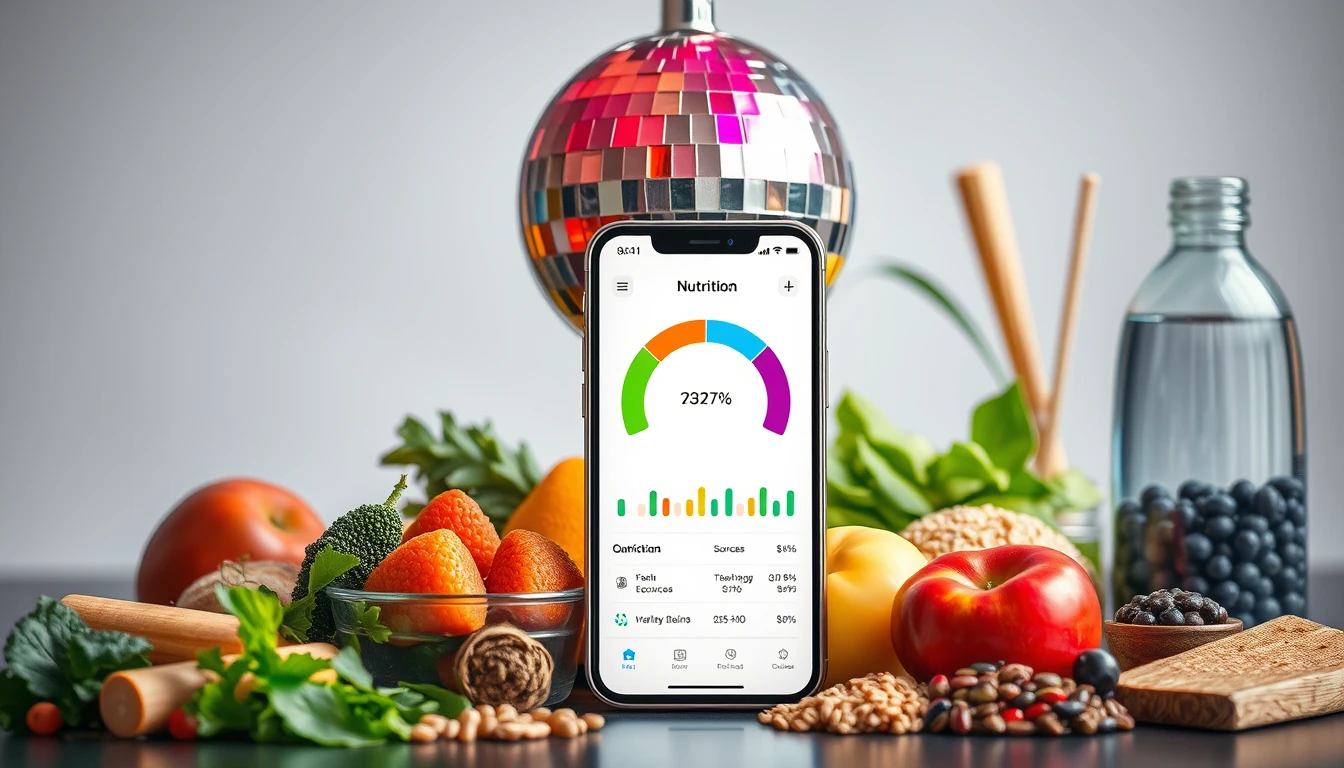
That’s exactly why Foodisco looks at more than protein
If you judge nutrition only through calories and macros, you get part of the picture.
But not the whole thing.
That is why the nutrition part of the Foodisco Health Score takes several factors into account at the same time.
These include protein, fiber, macro balance, sugar, saturated fat, salt, hydration, and micronutrients.
Not so you can collect even more numbers.
But so those numbers can eventually turn into context.
Because the more interesting question is rarely just:
“Did I eat enough protein today?”
It is more like:
“How does my nutrition look overall today?”
Your protein pudding can stay
Before anyone starts nervously walking toward the fridge:
The protein pudding can stay.
If you like it, it fits your routine, and it helps you cover your protein needs: great.
Protein shakes, high-protein products, and other convenient foods can absolutely have a place too.
This is not about making protein less important.
It is about not losing sight of everything else.
Protein does not need to leave the stage. We are just making a little more room for the band.
What to take home from the party
Protein matters.
For many people, it matters quite a lot.
But good nutrition does not automatically get better just because “high protein” appears on more packaging.
Look at the whole picture.
Protein.
Fiber.
Vegetables.
Fruit.
Fluids.
Micronutrients.
Energy.
And, of course, whether you actually enjoy the food.
Protein can be the headliner. But damn good nutrition needs a whole band.
With Foodisco, you can not only track your nutrition, but better understand how different factors work together. Now on the App Store and Google Play.